
Peptide Stability and Shelf Life
On this page:
- What is Peptide Stability?
- Why Peptide Shelf Life Matters
- Factors That Affect Peptide Stability
- Lyophilised Peptide Stability
- Stability of Reconstituted Peptides
- Summary
- Frequently Asked Questions
⸻
1.What is Peptide Stability?
Peptide stability refers to how well a peptide maintains its molecular structure and biological integrity over time.
Peptides are composed of chains of amino acids connected by peptide bonds. These structures can be sensitive to environmental conditions such as temperature, moisture, light exposure, and chemical reactions.
When peptides degrade, their structure can change, which may affect their stability and suitability for laboratory research.
Because of this, maintaining proper storage conditions plays an important role in preserving peptide integrity.
⸻
2.Why Peptide Shelf Life Matters
The shelf life of a peptide describes the period during which the compound remains stable under appropriate storage conditions.
Maintaining peptide stability is important for research laboratories because degradation may influence experimental results.
Several factors can influence peptide shelf life, including:
- storage temperature
- moisture exposure
- environmental conditions
- chemical oxidation
By controlling these factors, researchers can help preserve peptide quality during storage.
⸻
3.Factors That Affect Peptide Stability
Several environmental and chemical factors may influence peptide stability.
Temperature
Higher temperatures can accelerate chemical reactions that contribute to peptide degradation.
Moisture
Water exposure can cause hydrolysis, which breaks peptide bonds and alters peptide structure.
Oxidation
Certain amino acids may undergo oxidation reactions that change the molecular structure of the peptide.
Light Exposure
UV or direct light exposure may contribute to chemical degradation in some peptide compounds.
⸻
4.Lyophilised Peptide Stability
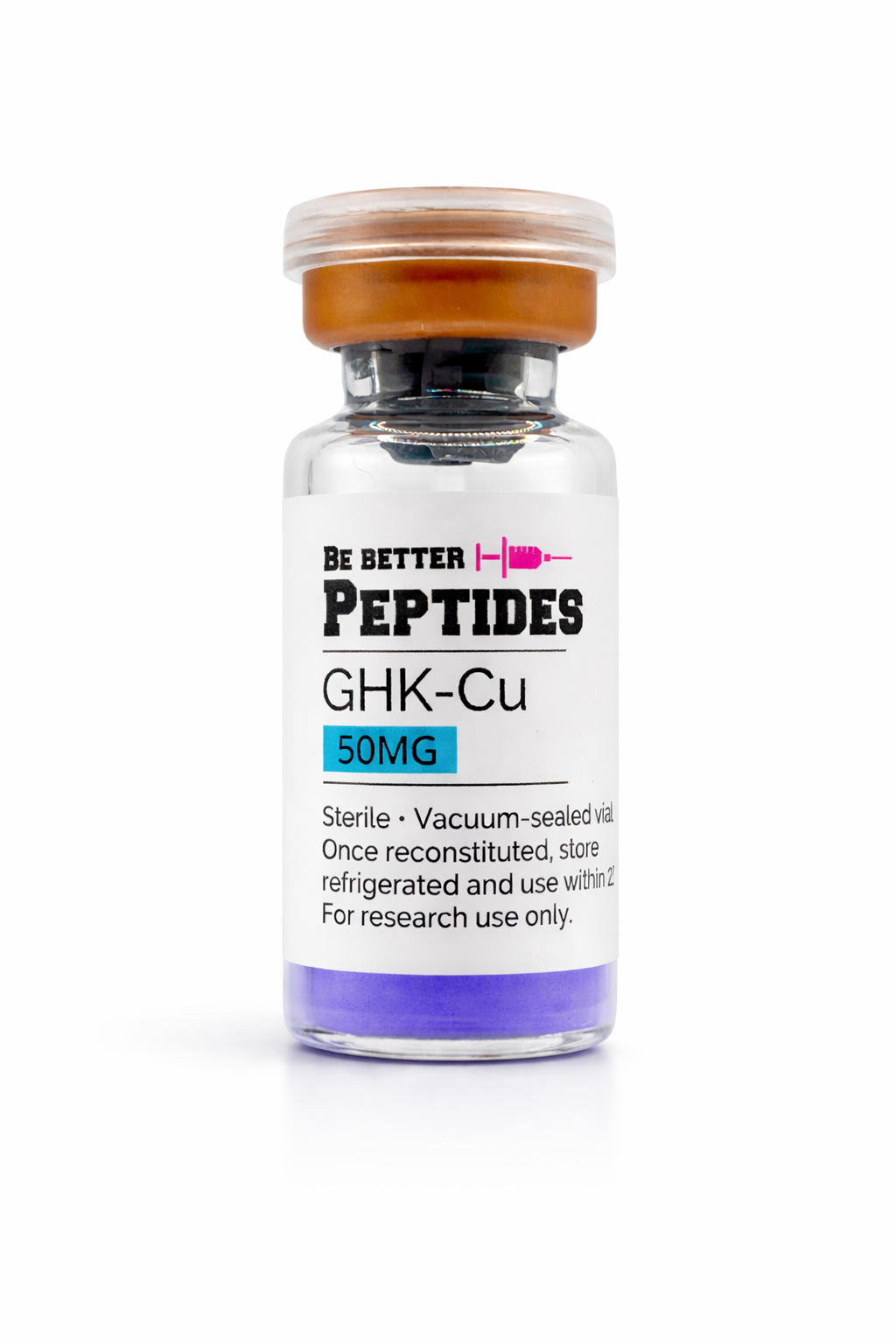
Most research peptides are supplied in lyophilised (freeze-dried) powder form.
Lyophilisation removes water from the peptide and greatly improves long-term stability by slowing degradation reactions.
Because of this, lyophilised peptides are generally more stable during storage and transport compared with peptides that are already dissolved in solution.
When stored under controlled laboratory conditions, lyophilised peptides can remain stable for extended periods.
⸻
5.Stability of Reconstituted Peptides
Once a peptide has been reconstituted into solution, its stability may change compared with the lyophilised form.
Peptide solutions can be more sensitive to:
- hydrolysis
- oxidation
- microbial contamination
For this reason, researchers often store reconstituted peptides under controlled temperature conditions and handle them carefully to maintain stability.
Minimising repeated freeze–thaw cycles can also help preserve peptide structure.
⸻
6.Summary
Peptide stability and shelf life are influenced by several environmental factors including temperature, moisture, light exposure, and oxidation.
Because peptides are sensitive biological molecules, proper storage conditions play an important role in maintaining their molecular integrity.
Lyophilised peptides generally offer improved stability during storage, while reconstituted peptide solutions require careful handling to maintain stability during research use.
⸻
7.Frequently Asked Questions
What affects peptide stability?
Peptide stability can be influenced by factors such as temperature, moisture exposure, oxidation, and light exposure.
⸻
How long do peptides last?
The shelf life of peptides depends on the compound and storage conditions. Lyophilised peptides are generally more stable than peptides in solution.
⸻
Why are peptides supplied as lyophilised powder?
Lyophilisation removes moisture from the peptide, helping preserve the molecular structure and improving long-term stability.
⸻
Do reconstituted peptides degrade faster?
Peptides dissolved in solution may be more susceptible to hydrolysis, oxidation, and contamination, which can affect stability over time.
Why not check out more peptide information ?

What is Bacteriostatic water and why do we use it ?
Discover what bacteriostatic water is and why it’s commonly used when preparing peptides for use in research settings.

Peptide reconstitution guide (how to guide)
This step-by-step guide explains how peptides are typically reconstituted in research environments. Learn about sterile technique, choosing the correct solvent, and the basic procedures used when preparing lyophilised peptides for laboratory research.

What is peptide reconstitution ?
Peptide reconstitution is the process of dissolving lyophilised peptide powder into a liquid solution for research use. This article explains what reconstitution means, why peptides are supplied in freeze-dried form, and how researchers prepare peptide solutions in laboratory settings.

How to store peptides
Proper storage is essential for maintaining the stability and integrity of research peptides. This guide explains the ideal storage conditions for lyophilised and reconstituted peptides, including temperature requirements, light protection, and handling practices used in laboratory environments.